←
All field notes
Technology
Evidence Integrity Starts at the Console
Body-worn and in-car video only protect an officer if they behave as one system. Most of that work happens during the upfit.
Guardian Build Team
Video & Evidence Systems
6 min read
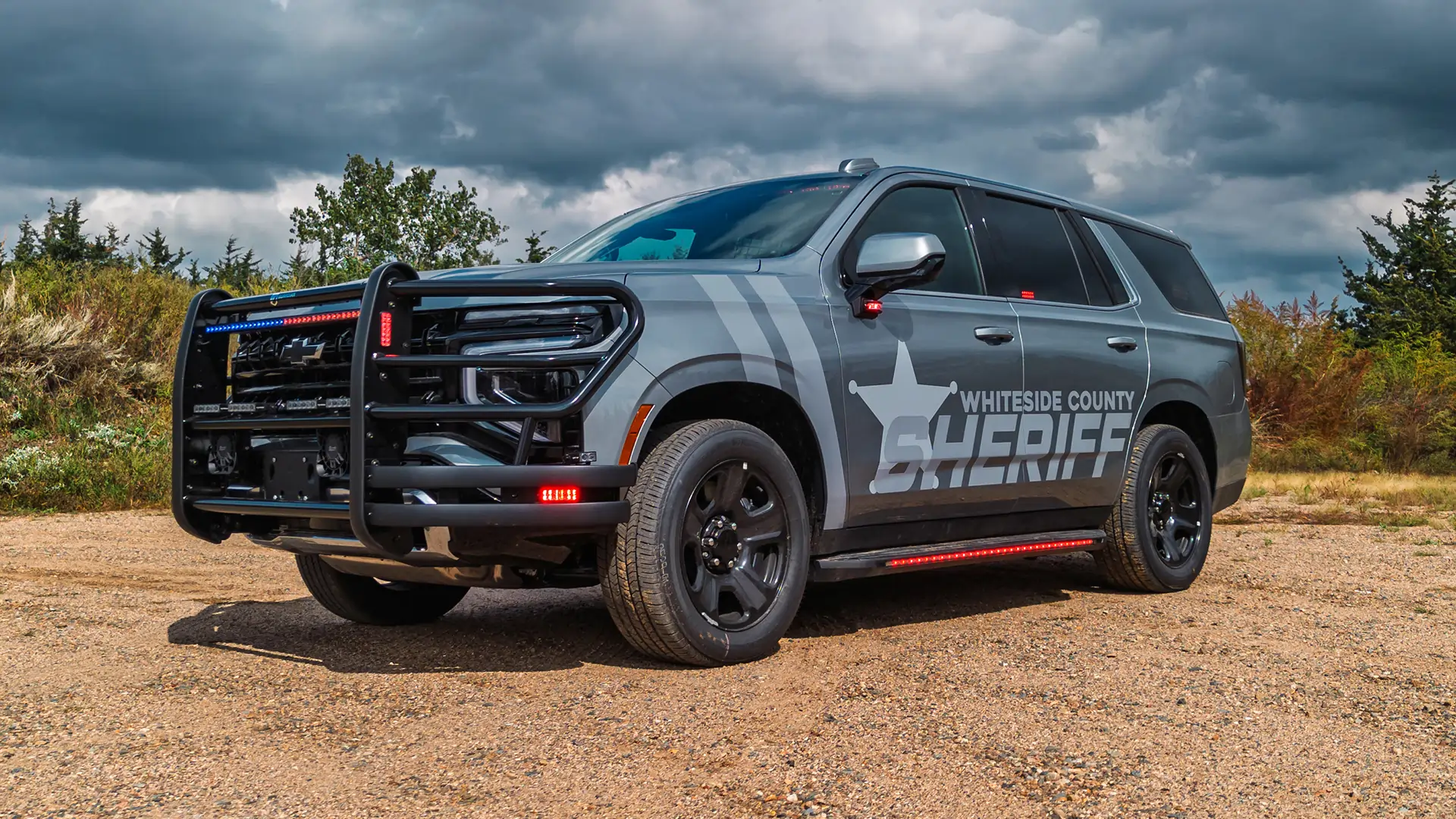
Video has become the default witness. That only holds up if the footage is complete, time-aligned, and offloads without an officer having to think about it.
One System, Not Two Recorders
Guardian integrates video so body-worn and in-car systems trigger together and land in the same evidence workflow. A light bar activation, a door trigger, or a manual start should produce one coherent record of an incident — not two clips that have to be reconciled later.
The physical build matters more than the brochure here: camera sightlines that survive a full partition, microphone runs kept away from power, and mounts that still hold zero after eighteen months of door slams.
Storage and Offload
Upload happens where the vehicle actually sits. We plan offload around a department’s real parking and coverage, so footage is off the vehicle before the next shift needs it.
Triggers Are a Build Decision, Not a Setting
Automatic activation is what makes video reliable, because it removes the requirement that an officer remember to start a recording during the least convenient moment of their shift. Which triggers are wired in, and how, is decided during the upfit.
Emergency light bar activation
Siren activation
Vehicle speed thresholds
Door and light bar switches
Weapon rack release
Manual activation from the console or the body-worn unit
Triggering the in-car system from the body-worn camera — and the reverse — is what turns two devices into one record. Officers arriving on a scene where a colleague has already activated should not have to think about it at all.
Mounting for the Long Haul
Camera position is a design problem that gets treated as an afterthought. A rear-facing camera has to see the whole prisoner area through a full partition. A forward camera has to keep its aim after eighteen months of door slams, temperature swings and pressure washing.
We mount to structure rather than trim, keep microphone runs away from power, and check sightlines against the finished interior — not against an empty vehicle on the shop floor.
Where the Footage Actually Goes
Upload strategy has to match how a department really operates. A wireless offload plan that assumes vehicles park within range of a station access point fails immediately if half the fleet takes cars home.
We plan offload around real parking, real coverage and real shift patterns, so footage is off the vehicle before the next officer needs it. Evidence that never leaves the car is not evidence anyone can use.
MORE FROM THE FIELD

PLANNING YOUR NEXT BUILD
Let’s map the build sheet before the order lands.
Tell us what your fleet needs to do this year. We will plan the vehicles, equipment and timeline around it.