←
All field notes
Technology
Officer Safety
Beyond the Flash: V2V Sync and Alley Lighting on a Live Scene
Modern emergency lighting is scene management, not decoration. Two features change how a scene actually reads at two in the morning.
Guardian Build Team
Lighting & Control Systems
7 min read
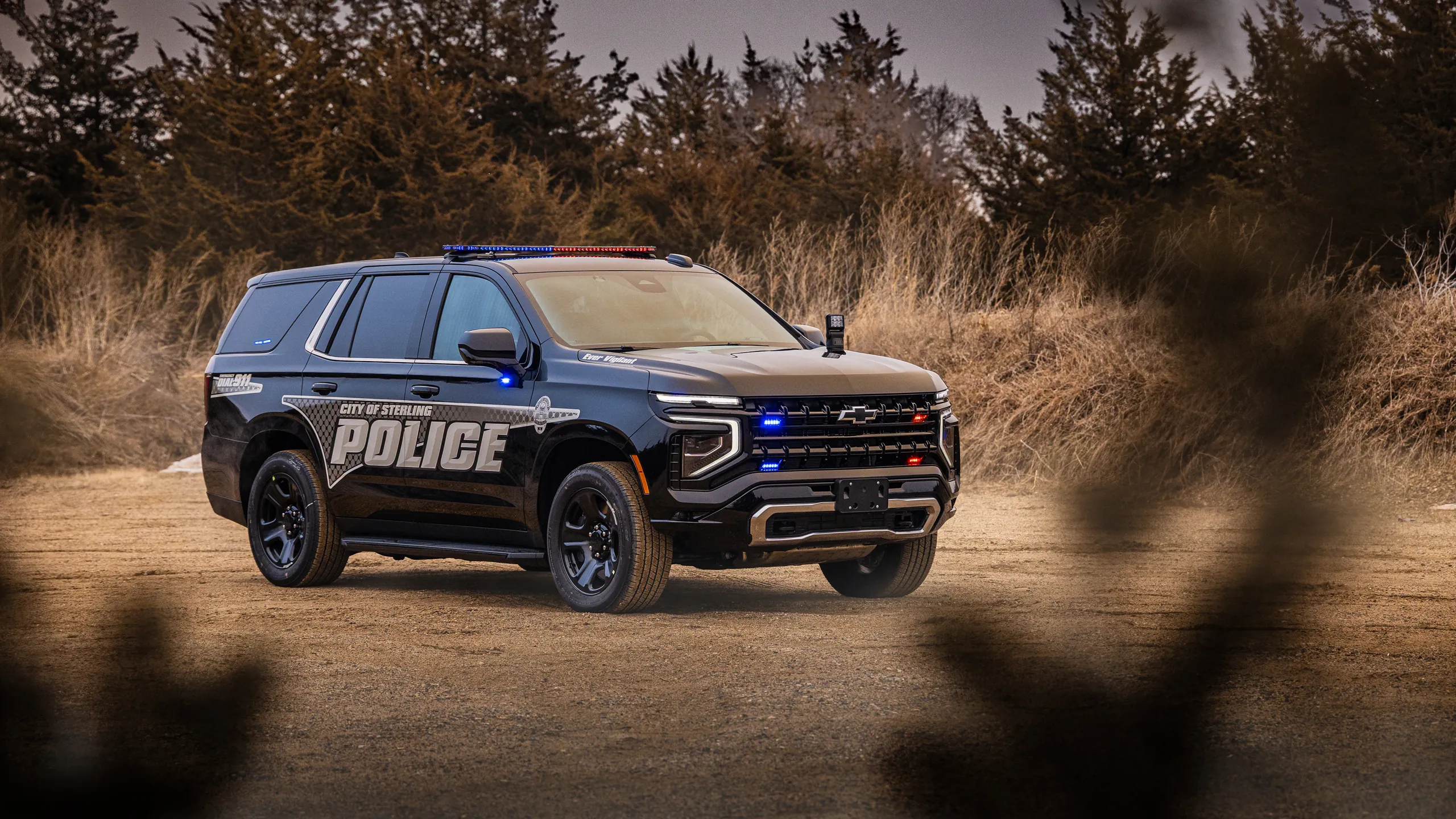
Ask any officer who has worked a highway closure at night: the problem is rarely that a scene is too dark. It is that the scene is lit by six vehicles, all flashing on their own clock, in six different directions.
V2V Sync
Vehicle-to-vehicle synchronisation lets units arriving on scene phase their patterns together instead of competing. The scene reads as one boundary rather than a wall of noise, and approaching traffic gets a single, coherent signal about where the edge of the incident is.
Alley and Scene Lighting
Alley lighting is the least glamorous part of a build and the part officers comment on most. Directed side and rear scene lighting turns a ditch, a treeline, or a parking structure into something searchable without a handheld.
Guardian designs these systems around the department’s own policies and standards. We are vendor-agnostic on purpose: the control head an officer already knows how to use at two in the morning is worth more than a spec-sheet advantage.
Why Synchronisation Beats Brightness
The instinct on a dark scene is to add more light. In practice, more uncoordinated light makes a scene harder to read, not easier. Approaching drivers are trying to answer one question — where does this incident begin and end — and six vehicles flashing on six different clocks does not answer it.
Synchronised patterns give the scene a single visual boundary. That is the safety argument. It is also the reason officers describe a synced scene as calmer even when the total output has not changed at all.
Scene Lighting Is Not Warning Lighting
They serve completely different jobs, and conflating them is how vehicles end up over-lit and under-equipped. Warning lighting tells other drivers something is happening. Scene lighting lets an officer actually see.
Alley lights for ditches, treelines and the sides of buildings
Takedowns for the area directly ahead of the vehicle
Rear traffic advisors for lane closures and directing traffic
Ground and puddle lighting for safe exit in poor conditions
Alley lighting is the least glamorous line on a build sheet and the one officers mention most after delivery. It turns a search that required a handheld into one that does not.
Control Heads People Can Use in the Dark
Every one of these systems is only as good as the interface. If an officer has to look down and read labels to find scene lighting, the design has failed, regardless of how capable the system is on paper.
We build around the control head a department already knows. Muscle memory is a safety feature, and standardising the layout across a fleet is worth more than a spec-sheet advantage on a head nobody has used before.
Policy First, Product Second
Guardian is vendor-agnostic on purpose. Departments have colour policies, pattern policies, and rules about what runs while a vehicle is parked on a scene. Those constraints come first, and the equipment is selected to satisfy them — not the other way around.
It also means we can build to what a department already runs. Fleets rarely replace everything at once, and a new vehicle that behaves differently from the twelve already on the road creates its own problems.
MORE FROM THE FIELD

PLANNING YOUR NEXT BUILD
Let’s map the build sheet before the order lands.
Tell us what your fleet needs to do this year. We will plan the vehicles, equipment and timeline around it.