←
All field notes
Fleet Planning
Inside Regen: What Your Retired Squads Are Actually Worth
Guardian buys your current law enforcement vehicles and applies the credit toward new builds. Here is how departments are putting that value back to work.
Guardian Fleet Advisors
Regen Program
5 min read
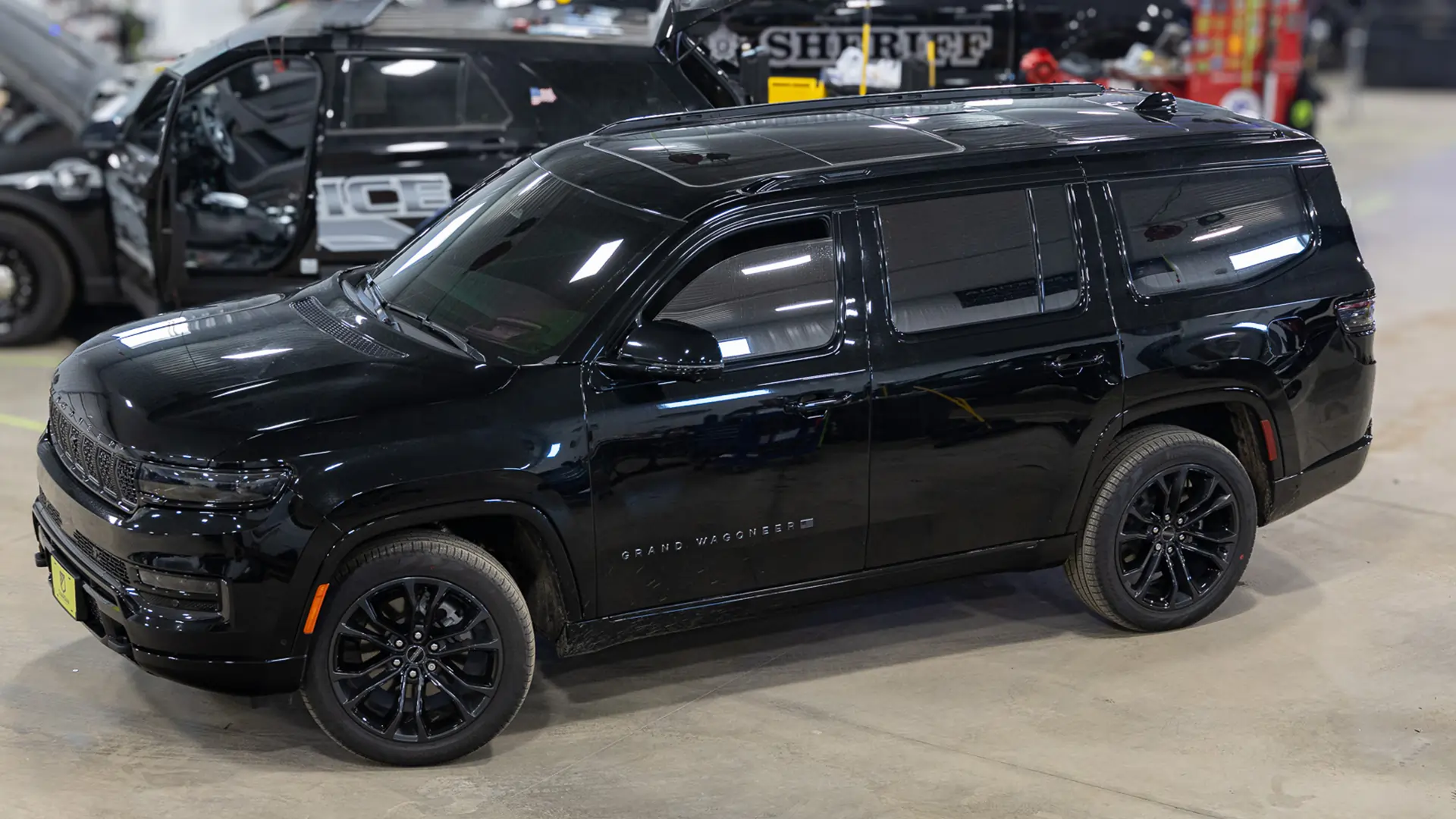
Retired squads rarely leave a department at their best price. They sit in a back lot, lose equipment to cannibalisation, and eventually go to auction at whatever the room decides that morning.
Credit, Not Cash Flow
The Regen program applies the value of your current vehicles directly toward your next build. Instead of a surplus sale that disappears into a general fund, the value stays inside the fleet budget where it was earned.
Departments most often use that credit to upgrade rather than to replace like-for-like — adding lighting, technology, storage, and officer safety equipment that would not have survived the first budget review.
Timing Matters
The best time to talk about Regen is before the replacement order, not after the trade. Vehicles still carrying serviceable equipment are worth more, and the credit can be planned into the build sheet from day one.
Stretching a fleet budget is rarely about finding more money. It is usually about not leaving value on the tarmac.
What Actually Determines the Number
Condition matters, but completeness matters just as much. A vehicle assessed while it is still whole is worth meaningfully more than the same vehicle assessed after six months of donating parts to the rest of the fleet.
Mileage and mechanical condition
Whether the upfit equipment is intact and still serviceable
Model year and how common the chassis is in the region
How much equipment can be carried forward into the next build
Timing — vehicles valued before they are stripped are worth more
Cannibalisation is the quiet value killer. It feels free in the moment, because the part is going to another squad that needs it tonight, but it turns a complete vehicle into a shell and removes the equipment credit at the same time.
Equipment That Can Move Forward
Not everything on a retiring vehicle needs replacing. Partitions, storage systems, weapon mounts and some lighting components regularly have years of service left in them, and moving them into the new build is often the difference between a wish list and an approved one.
We assess that during the build sheet conversation, not after the vehicle arrives. Knowing which components carry forward changes what has to be ordered, which changes both the cost and the lead time.
How Departments Are Using the Credit
The most common pattern is not replacing like for like. It is upgrading. Departments apply the credit toward the equipment that never survives a first budget review — better lighting, additional storage, technology upgrades, or officer safety improvements that were on the list for years.
Others use it to close a fleet gap: turning three replacement vehicles into four, or bringing forward a unit that was scheduled for the following budget year. Because the credit stays inside the fleet, it is easier to defend than a surplus sale that vanishes into a general fund.
Planning Regen Into the Budget Cycle
The best time to talk about Regen is before the replacement order goes in, not after the trade. Early valuation lets the credit be written into the build plan from the start, so the department knows its real net cost while it still has room to make decisions.
Stretching a fleet budget is rarely about finding new money. It is usually about not leaving value sitting in the back lot.
MORE FROM THE FIELD


PLANNING YOUR NEXT BUILD
Let’s map the build sheet before the order lands.
Tell us what your fleet needs to do this year. We will plan the vehicles, equipment and timeline around it.