←
All field notes
Upfitting
Officer Safety
Power Distribution: The System Nobody Notices Until It Fails
Lighting, radios, computers, cameras, and a K9 climate system all draw from one alternator. The plan for that is the build.
Guardian Build Team
Electrical & Integration
7 min read
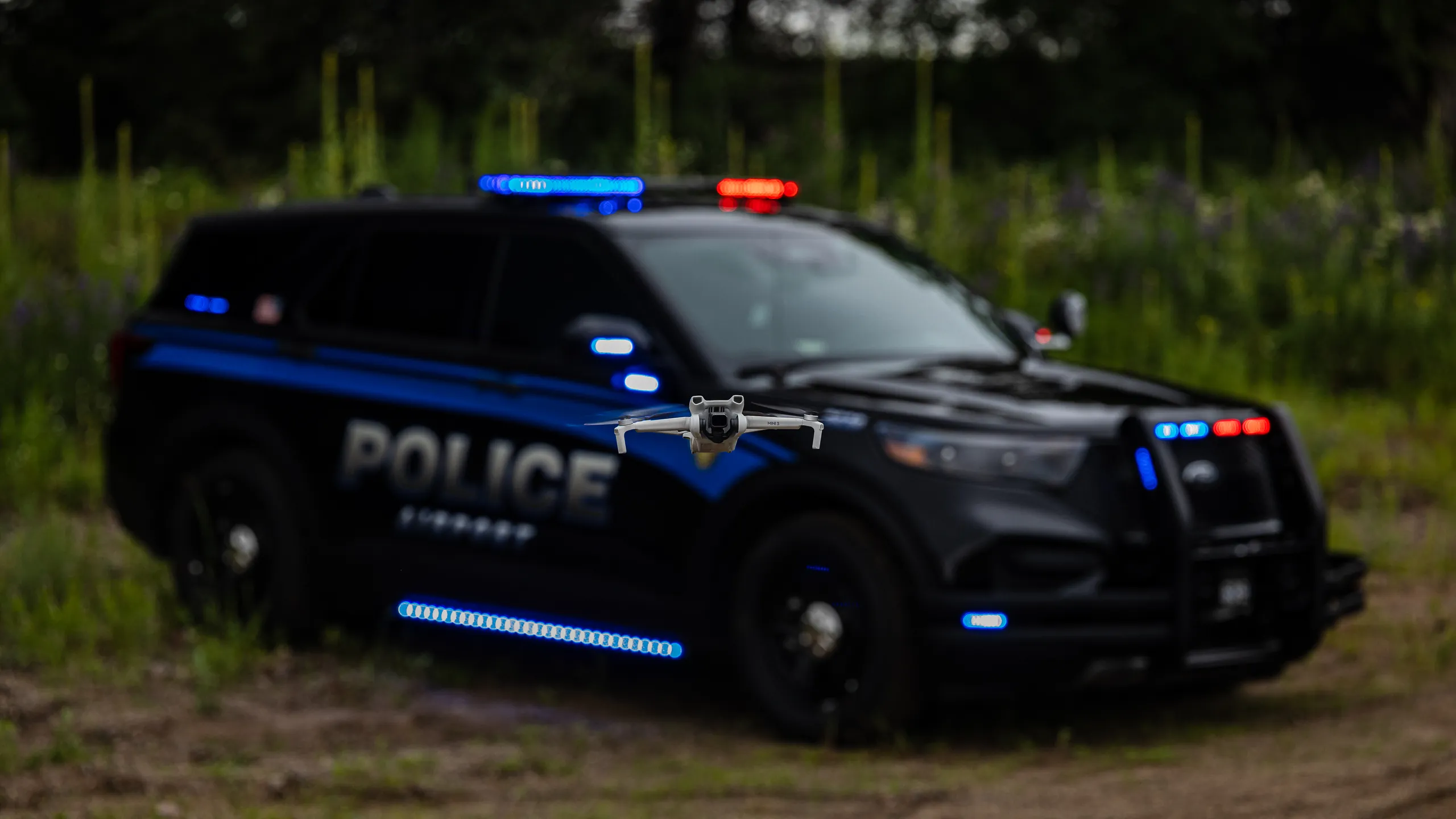
Almost every mysterious electrical fault in a police vehicle traces back to the same origin: a build where loads were added one at a time and nobody re-totalled the draw.
Total the Load First
Guardian designs the electrical system before the first component is mounted. Every load is accounted for, fused, and documented — lighting, siren, radio, mobile data, video, and any specialty equipment the unit carries.
That plan is what keeps a vehicle from browning out at idle on a long scene, and what keeps a battery from being asked to run a full shift of equipment on its own.
Documented, Not Improvised
Every Guardian build leaves with its power layout documented, so the next technician — ours or yours — is not tracing an unlabelled wire behind a kick panel at midnight.
Built right means fewer problems. Most of that reliability is decided in the electrical plan long before the vehicle ever sees a call.
Totalling the Load Before Anything Is Mounted
The electrical system is designed first, before a single component goes into the vehicle. Every device that will draw current is accounted for, sized, fused and documented — lighting, siren, radio, mobile data, video, climate systems and whatever specialty equipment the unit carries.
This sounds procedural, and it is. It is also the single decision that separates vehicles which run for years without an electrical complaint from vehicles that develop a new mystery every quarter.
Idle Is the Hard Case
Peak load is easy to plan for. The difficult condition is a vehicle sitting at idle on a long scene, at night, in winter, running full warning lighting, a computer, a radio and cabin heat, with an alternator turning far below its rated output.
That is the scenario the system has to survive, so it is the scenario we design against. Vehicles that brown out or drop a radio mid-scene are almost always vehicles designed for the average case rather than the worst one.
Fusing, Labelling and Documentation
Every circuit is fused at its correct rating, labelled, and documented in a layout that leaves with the vehicle. The point is not tidiness for its own sake — it is that the next person to open a panel is not guessing.
Every circuit fused at the correct rating for its device
Distribution points placed for service access, not just convenience
Labelling that matches the delivered documentation
Grounds terminated to clean, structural points
Load shed and timer behaviour set to the department’s policy
When a department’s own technician can trace a circuit without calling us, we have done the job properly. That is the standard we build to, not an ideal we aspire to.
Battery and Charging Strategy
Load shedding, timers and dual-battery arrangements are chosen against how the department actually uses its vehicles. A unit that idles most of its shift needs a different strategy from one parked at a school for six hours a day.
Built right means fewer problems, and most of that reliability is decided in the electrical plan long before the vehicle ever answers a call.
MORE FROM THE FIELD

PLANNING YOUR NEXT BUILD
Let’s map the build sheet before the order lands.
Tell us what your fleet needs to do this year. We will plan the vehicles, equipment and timeline around it.