←
All field notes
Upfitting
Why Former Officers Bring a Different Perspective to Police Vehicle Upfitting
Former law enforcement officers bring real-world perspective to police vehicle planning, helping agencies make better decisions about equipment, layout, technology, and officer needs.
Willie Koch
Account Executive, Guardian Fleet Safety | Former Law Enforcement Officer
6 min read

Why Former Officers Bring a Different Perspective to Police Vehicle Upfitting
The equipment has changed dramatically over the years. The responsibility has not. Officers still need a vehicle they can depend on every shift.
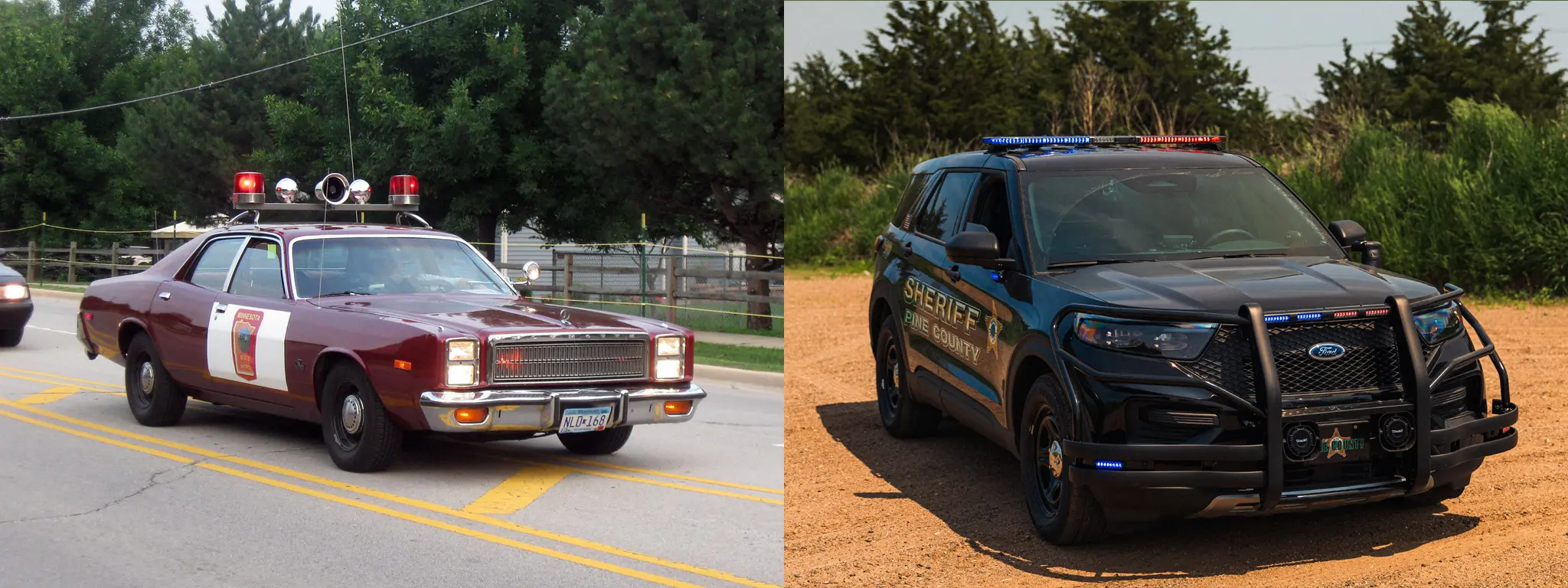
When I look back at my time in law enforcement, one of the things that stands out is just how much the squad car changed during my career.
I started in a vehicle with switches drilled into the dashboard, a plywood center console, and no onboard computer. It was a notepad, a radio, and the equipment we had available at the time.
By the time I retired, officers were working with integrated siren controllers, body cameras, computers, advanced software, LED warning systems, cameras, connectivity, and technology that would have been hard to imagine when I first got behind the wheel.
The equipment changed.
But one thing never did.
When you start a shift, you need to be able to trust the vehicle around you.
Today, I get to use that experience in a different way by helping departments think through the vehicles their officers will depend on every day.
When You’ve Been in the Driver’s Seat, You Look at the Build Differently
Guardian’s Account Representatives come from law enforcement backgrounds, bringing decades of combined experience into conversations with departments.
That experience changes the questions we ask.
When I look at a vehicle specification, I am not only looking at the equipment list.
I am thinking about the officer who has to sit in that vehicle for an entire shift.
Can they reach the controls they use most often without taking their attention away from the road?
Does the console leave enough usable space for the officer and their duty gear?
Can critical equipment be accessed quickly when things become stressful?
Is the storage designed around what officers actually carry?
Are we adding something because it solves a real problem, or simply because it is available?
Those are the kinds of questions that come naturally when you have spent years working out of a squad yourself.
The Conversation Starts Differently
When I sit down with an agency, one of the first things I want to understand is how their officers actually use the vehicle.
What works well in the current squads?
What frustrates officers?
What do they reach for constantly?
What is difficult to access?
What equipment has become more important over the last few years?
What are they planning to add in the future?
Those conversations often uncover things that never appear on a standard equipment list.
Sometimes the right answer is adding a different piece of equipment.
Sometimes it is changing where something is mounted.
Sometimes it is giving an officer more usable storage or improving visibility.
And sometimes the right answer is deciding the vehicle does not need something at all.
Start With the Job, Not the Equipment
There are a lot of great products available for police vehicles.
But a successful build should not start with the question:
“What else can we put in this vehicle?”
It should start with:
“What does this officer need this vehicle to do?”
A patrol officer has different needs than an investigator.
A K9 handler has different priorities than a supervisor.
A rural deputy working long distances may need something different from an officer working in a dense city.
The equipment should follow the job, not the other way around.
That is one of the biggest lessons I carried with me from law enforcement.
Small Details Matter During a Long Shift
There are things about a squad car that can look insignificant on a drawing or specification sheet but become very noticeable after eight, ten, or twelve hours behind the wheel.
Where is the computer positioned?
Can the officer comfortably operate the controls while wearing a duty belt?
Is frequently used equipment within reach?
Can they see what they need to see at night?
Is the interior organized so they can find something quickly when a call changes direction?
Does another officer getting into the same vehicle know exactly where things are and how they operate?
Good vehicle planning is often about getting those small decisions right before production starts.
Experience Helps Departments Ask Better Questions
Former officers do not have every answer simply because they wore a badge.
The officers using the vehicle, fleet managers, administrators, technicians, and equipment manufacturers all bring important knowledge to the process.
Our role is to help connect those perspectives.
Sometimes that means asking a question an agency had not considered.
Sometimes it means explaining how another department solved a similar problem.
Sometimes it means helping officers turn something they experience every day into a vehicle specification that an upfitter can actually build.
That is where law enforcement experience becomes valuable.
It gives us a common starting point.
Trust Matters
Police vehicle upfitting is not something most departments think about every day.
For us, it is.
For the officer receiving that vehicle, however, the decisions made during the planning process may affect thousands of hours they spend working from it over the next several years.
That is why the relationship matters.
Departments need someone they can tell:
“This is what is not working.”
“This is what our officers need.”
“This is what we are trying to accomplish.”
And they need to know the person on the other side of the conversation understands why it matters.
A Different Way to Keep Serving
I may not wear the badge anymore, but I still get to work with the law enforcement community every day.
Now my role is helping departments think through the vehicles their officers will depend on for thousands of hours over the next several years.
I know what it feels like to climb into a squad at the beginning of a shift and expect everything inside it to work the way it should.
That experience stays with you.
And it changes the way you approach the next build.
Talk With a Former Officer About Your Next Build
If your department is planning a new patrol vehicle, K9 unit, investigative vehicle, specialty build, or fleet replacement, start with a conversation.
Tell us what your officers need the vehicle to do.
We’ll help you think through the equipment, layout, technology, and details that can make the vehicle work better for the people using it.
MORE FROM THE FIELD
PLANNING YOUR NEXT BUILD
Let’s map the build sheet before the order lands.
Tell us what your fleet needs to do this year. We will plan the vehicles, equipment and timeline around it.